Introduction
In the past decade, real-money online gaming has become one of the fastest-growing industries in India. Fantasy cricket platforms, poker apps, rummy portals, and other gaming websites attracted millions of users, generating massive revenues and creating employment opportunities. However, with growing concerns around addiction, financial risks, and youth involvement, the Indian government has started cracking down on real-money online gaming. While the move is aimed at protecting consumers, its ripple effects are likely to be felt in various sports, especially cricket.
This article explores how stricter regulations on online gaming can impact Indian cricket, other sports, and the overall sporting ecosystem.
Rise of Real-Money Gaming in India
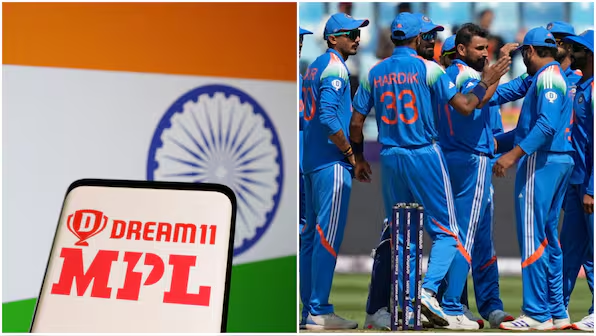
The popularity of fantasy sports, particularly during cricket tournaments like the IPL, T20 World Cup, and bilateral series, has been extraordinary. Platforms such as Dream11, My11Circle, and MPL became household names by offering fans a chance to build virtual teams and win money.
Apart from fantasy cricket, online rummy and poker also contributed to the real-money gaming boom. Reports suggest that this sector had been growing at over 30% annually, with revenues running into billions of rupees. Importantly, much of this money found its way back into sports sponsorships, grassroots programs, and advertising.
Why the Government is Cracking Down
The government’s concerns revolve around multiple issues:
- Addiction Risks: Youngsters are spending excessive time and money on these platforms, leading to cases of financial losses and mental stress.
- Legal Ambiguity: The line between “games of skill” and “games of chance” is often blurred, making regulation complicated.
- Financial Transparency: Some companies allegedly lack proper tax compliance and clarity on winnings distribution.
- Social Concerns: Parents and educators have raised alarms over students engaging in real-money gaming, especially during exams and academic years.
To address these, new taxation rules, stricter licensing requirements, and even outright bans in certain states have been introduced.
Impact on Cricket
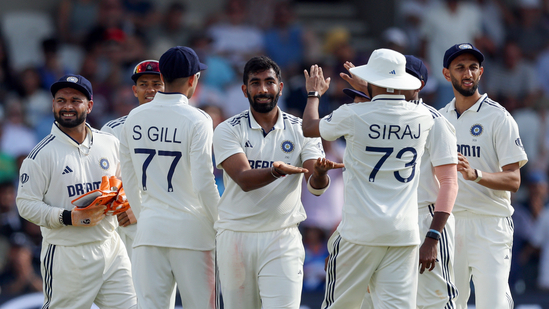
Cricket, India’s most popular sport, will likely feel the strongest impact.
- Sponsorship Losses: A large share of IPL team sponsorships and advertisements came from fantasy gaming platforms. If these companies scale down operations, franchises and the BCCI could lose significant funding. This might push ticket prices higher or reduce investments in grassroots cricket.
- Reduced Fan Engagement: Fantasy cricket gave fans a reason to follow even the smallest matches and players. With restrictions, casual viewers may lose interest in less popular games, lowering overall TV and streaming viewership.
- Franchise Finances: Teams like Chennai Super Kings, Mumbai Indians, and Kolkata Knight Riders relied heavily on brand tie-ups with gaming companies. With those revenue streams shrinking, teams may cut down on player salaries or reduce investments in youth academies.
- Domestic Cricket Impact: State-level cricket associations benefited indirectly through fantasy gaming sponsorships. A crackdown may reduce funding available for Ranji Trophy and junior tournaments.
Impact on Other Sports
While cricket will be hit hardest, other sports in India are also exposed to the consequences.
- Kabaddi: The Pro Kabaddi League (PKL) gained popularity partly due to fantasy gaming promotions. Reduced investment may slow its growth.
- Football: The Indian Super League (ISL) attracted fantasy platforms as sponsors. With restrictions, clubs may struggle to find alternative advertisers.
- Badminton & Emerging Sports: Sponsorships in lesser-followed sports often came from gaming companies. Without that money, sports like badminton, athletics, and hockey could see a funding gap.
The Employment Angle
The online gaming industry employs thousands in technology, marketing, operations, and customer support. A regulatory squeeze could lead to job losses, slowing India’s digital economy growth. Many startups in this sector, once considered “the next unicorns,” may struggle to survive.
The Positive Side
Not all consequences are negative. The crackdown could also have some long-term benefits:
- Consumer Protection: Stricter rules may protect vulnerable users from financial harm.
- Clean Image for Sports: Sports bodies will reduce reliance on industries considered socially harmful, much like how tobacco and alcohol ads were phased out earlier.
- Diversification of Sponsorships: Teams and leagues may look for healthier, more sustainable partnerships with industries like fintech, edtech, and e-commerce.
The Way Forward
Instead of outright bans, experts suggest a balanced regulation model. Licensing frameworks, age restrictions, and transparent taxation could allow companies to operate responsibly while protecting consumers. If the government and gaming platforms find common ground, cricket and other sports may continue benefiting from sponsorships without exposing fans to excessive risks.
Conclusion
The Indian government’s crackdown on real-money online gaming is a turning point for both the gaming and sports ecosystem. Cricket, being the most commercially dependent on fantasy gaming, will face immediate financial and fan-engagement challenges. Other sports like kabaddi and football may also struggle with reduced sponsorship inflows.
However, if the industry adapts to new regulations, and sports bodies diversify their revenue models, the long-term impact could be more balanced. What is clear is that the relationship between online gaming and Indian sports will never be the same again.